
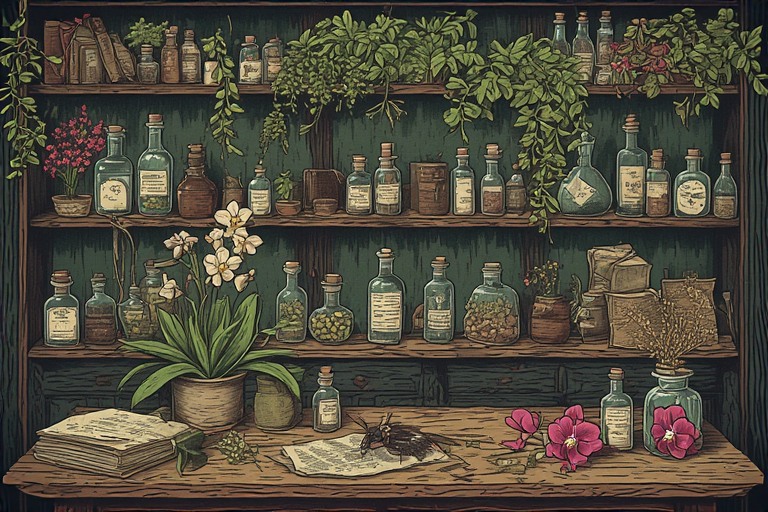
Across the globe, cultures have sought aphrodisiacs to supposedly boost desire and fertility at levels of desperation and peril. But the pursuit of desire often came with poison and death and social scandal.
Aphrodisiac came from Aphrodite
The ancient Greeks named aphrodisiacs after Aphrodite, the goddess of love and beauty. Mythology would have plants woven into desire itself: the first pomegranate tree planted by Aphrodite, the myrtle her sacred bloom, and the blood of her dying body giving rise to red roses. But what people actually ate was very different from these poetic beginnings.
Ancient Plant-based Aphrodisiac
Early aphrodisiacs were based on sympathetic magic, the belief that like affects like. Garlic, onions and leeks were eaten because they were shaped like male genitals. Onions were so potent that Egyptian and Persian priests were not allowed to eat onions to keep celibate. The tradition carried on into early modern France, where newlyweds would eat onion soup after their wedding night.
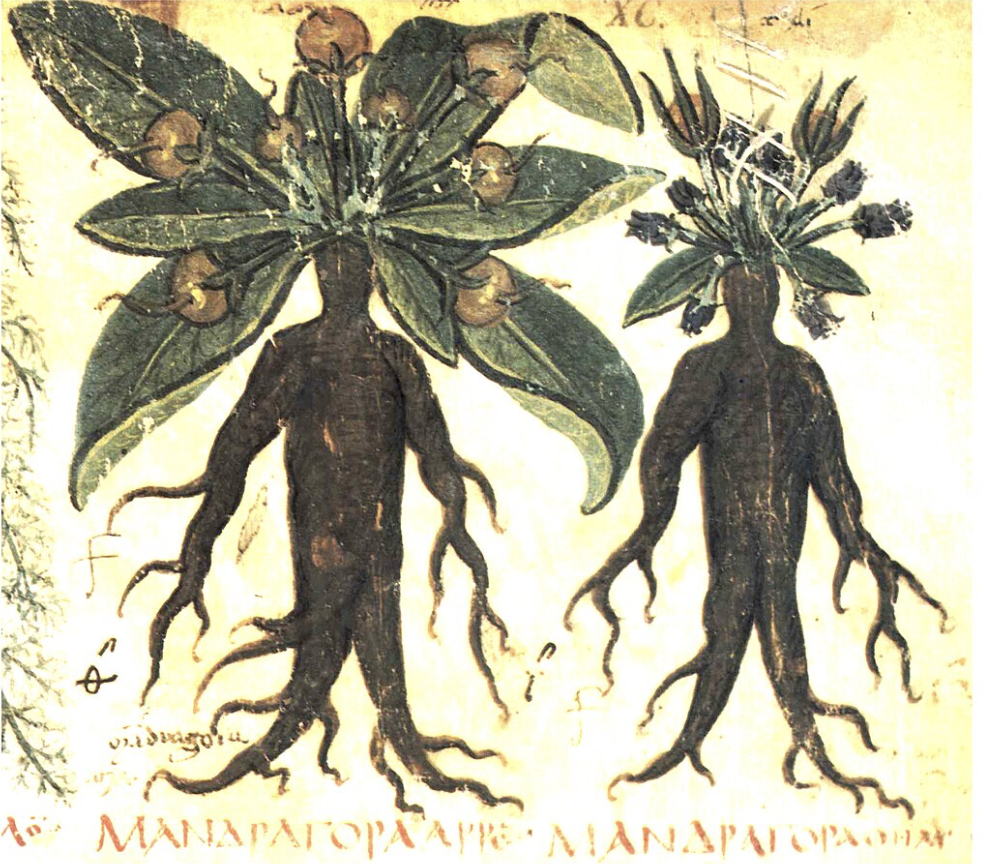
The mandrake root was the obsession of antiquity. The forked taproot looked like a human body and, by the Doctrine of Signatures, indicated reproductive power. It was used by Greeks , Romans and mediaeval Europeans in love potions . It was toxic and elaborate rituals were required to safely harvest it . Even the Hebrew biblical texts refer to mandrake as a fertility charm.
Other plants included Satyrion, an orchid named after lustful satyrs, so intensely harvested that it became extinct—wiped from Earth entirely due to belief in its power. Pomegranate, lettuce, artichokes, asparagus, and saffron each carried their own aphrodisiac myths and contradictory claims across cultures.
Dangerous Escalations
With greater intricacies, the ingredients used became more dangerous. The Spanish fly, made from crushed blister beetles with the poisonous cantharidin chemical, resulted in painful erections, blisters, and poisoning. Historical records indicate that it played a part in the death of Ferdinand II of Aragon in 1516.
The materials used became more and more bizarre: ground-up worms, gladiator sweat, snake blood in rice wine, toad excretion, and even human elements such as blood, skin, hair, and sweat. Love spells in Medieval Italy required stolen communion wafers. Desperation had taken the place of passion.
Historical Scandals
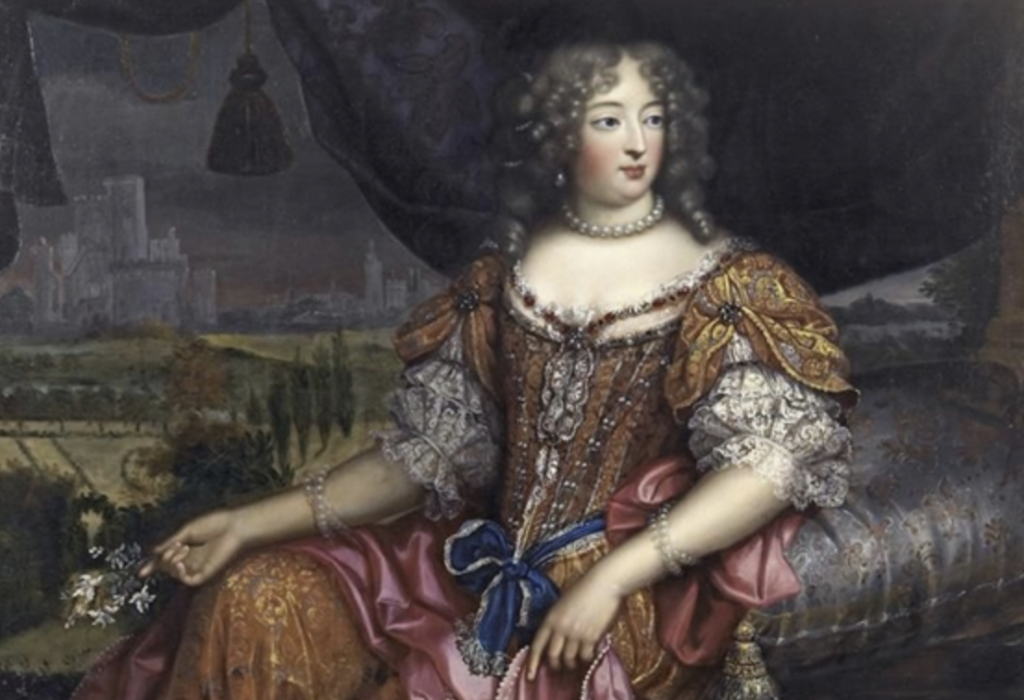
The use of aphrodisiacs resulted in genuine destruction. Ferdinand II’s demise followed the consumption of aphrodisiacs laced with Spanish fly. Madame de Montespan was forced to withdraw from King Louis XIV’s inner circle due to accusations involving love potions and black magic. Several women were killed on suspicion of practicing witchcraft after being accused of administering aphrodisiac concoctions. It is believed that Lucretius suffered from insanity due to a love potion prescribed by his wife.
The Modern Problem
The trade in aphrodisiacs did not vanish but transformed into something else. Most current “herbal” enhancers usually incorporate illicit prescription medications such as sildenafil and tadalafil. In an investigation of fifteen sexual enhancement products, most were discovered to include undeclared synthetic drugs at alarming levels. Specialists have advised that potential drug-assisted assaults might be connected to the misuse of these supplements, which occasionally include GHB, the “date rape” drug.
REFERENCE:
Sandroni, P. (2001). Aphrodisiacs past and present: A historical review. Clinical Autonomic Research. https://www.semanticscholar.org/paper/9c330fd5f36b46cac6cc25139318103932eafff9
Pithavadian, R., & Moore, A. M. D. (2020). Aphrodisiacs in the global history of medical thought. Journal of Global History. https://doi.org/10.1017/s1740022820000108
Hospodar, M. (2004). Aphrodisiac foods: Bringing heaven to earth. Gastronomica. https://www.jstor.org/stable/10.1525/gfc.2004.4.4.82
Hess, C. and Boehmer, A., 2020. Toxicology of natural and synthetic aphrodisiacs. Rechtsmedizin, 30(1), pp.15-30.
Leave a Reply