SACRED ORIGINS
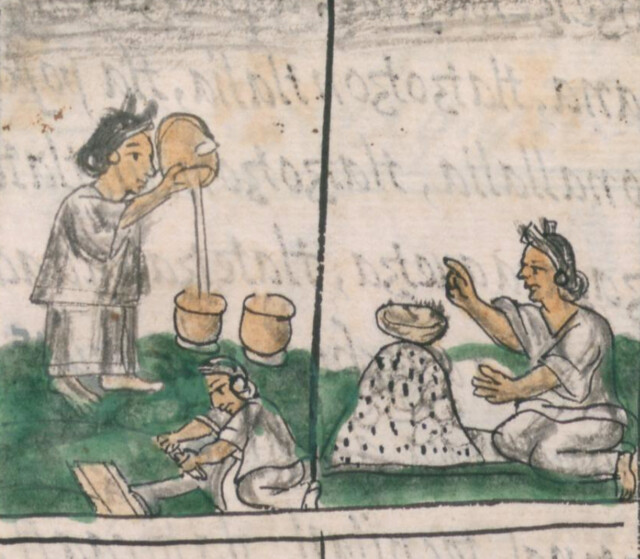
Long before vanilla was used as flavouring for desserts, it was treasured by the indigenous Totonac people of Mexico. The Totonacs used it in religious ceremonies, mixing it with cocoa and chillies for a drink called xocoatl (the ancestor of hot chocolate).
When the Aztecs conquered the Totonacs, they demanded this spice as tribute. The ruler of the Aztec empire, Emperor Montezuma II drank xocoatl every day, believing it boosted energy and virility.
Spanish conquistadors, such as Hernán Cortés, were fascinated by this exotic spice and brought it to Europe in the 1520s, where it quickly became a luxury item for royalty.
However, there was a significant challenge: vanilla orchids would not produce fruit outside of Mexico. The reason? Only a tiny bee known as the Melipona could pollinate them—a secret that nature kept for centuries.
A 12-YEAR-OLD MAKES VANILLA GLOBAL
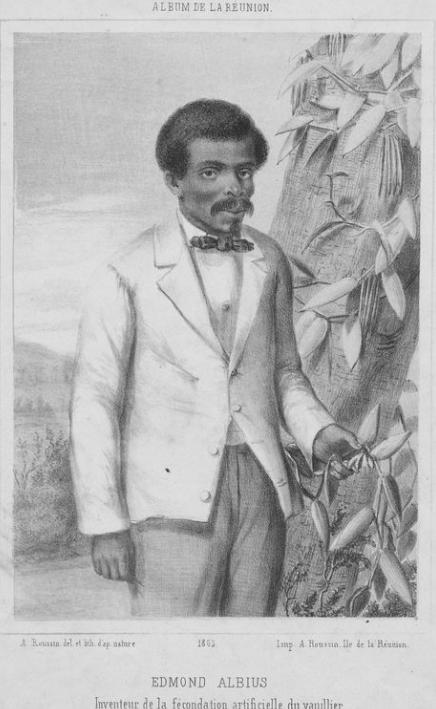
For 300 years, Mexico had a monopoly on vanilla. Then in 1841, Edmond Albius, an enslaved twelve-year-old boy on Réunion Island, discovered and perfected hand-pollination of vanilla. He used a bamboo splinter to transfer pollen, a method that is still being used today. Suddenly, this spice could grow around the world: Madagascar, Indonesia, and Tahiti became major producers.
In 1858, scientists isolated vanillin, the main flavour compound in vanilla. By 1874, German chemists had successfully synthesized vanillin from pine bark, making “vanilla flavour” both inexpensive and easy to produce. However, many argued that synthetic vanillin could not replicate the complex taste of real vanilla beans.
THE GOLDEN AGE
By the 1800s, vanilla was everywhere. Thomas Jefferson, the third president of the United States, brought vanilla ice cream to America after tasting it in Paris. To this day, his handwritten recipe for vanilla ice cream is preserved in the Library of Congress.
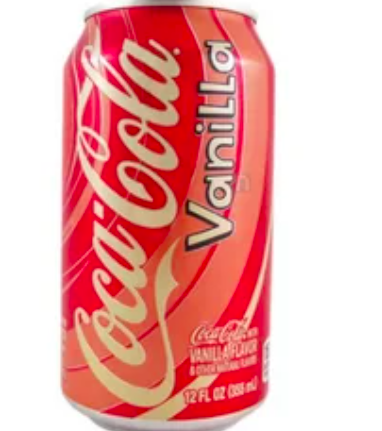
In the decades that followed, the popularity of this exotic spice soared. In the 1920s, soda fountains and Coca-Cola made the flavour even more mainstream, turning it into a staple of American taste.
Meanwhile, French perfume houses like Guerlain began using vanilla in their fragrances, linking it with luxury, sensuality, and romance.
HEALTH BENEFITS
Scientists are investigating the potential health benefits of vanilla, but this research is still in its early stages.
Some studies indicate that its scent may help soothe distressed babies and could potentially reduce sleep apnea in both infants and adults. Additionally, animal studies suggest that compounds found in this spice, such as vanillin and vanillic acid, may be effective in treating brain disorders, blood sugar issues, and heart conditions.
However, these findings have significant limitations: the research is preliminary, most studies have been conducted on animals rather than humans, and the small amounts of vanilla we consume in everyday foods are likely insufficient to provide meaningful health benefits.
REFERENCES:
Abreu-Runkel, R. (2020). Vanilla: A global history. Reaktion Books.
Singletary, K. W. (2020). Vanilla: potential health benefits. Nutrition Today, 55(4), 186-196.
Leave a Reply